Food: A Universal Language of Celebration
Across the world, food plays a central role in bringing people together during celebrations, festivals, and special occasions. While traditions may differ from one culture to another, the act of sharing a meal remains a powerful way to express joy, gratitude, and connection.
From festive feasts to family gatherings, food is often at the heart of life’s most memorable moments.
The Role of Food in Cultural Traditions
Food is more than nourishment—it reflects history, values, and traditions passed down through generations. Special recipes are often prepared during holidays and celebrations, preserving cultural heritage and creating a sense of belonging.
These meals tell stories about communities, families, and the unique customs that define different cultures.
Celebrating Together Through Shared Meals
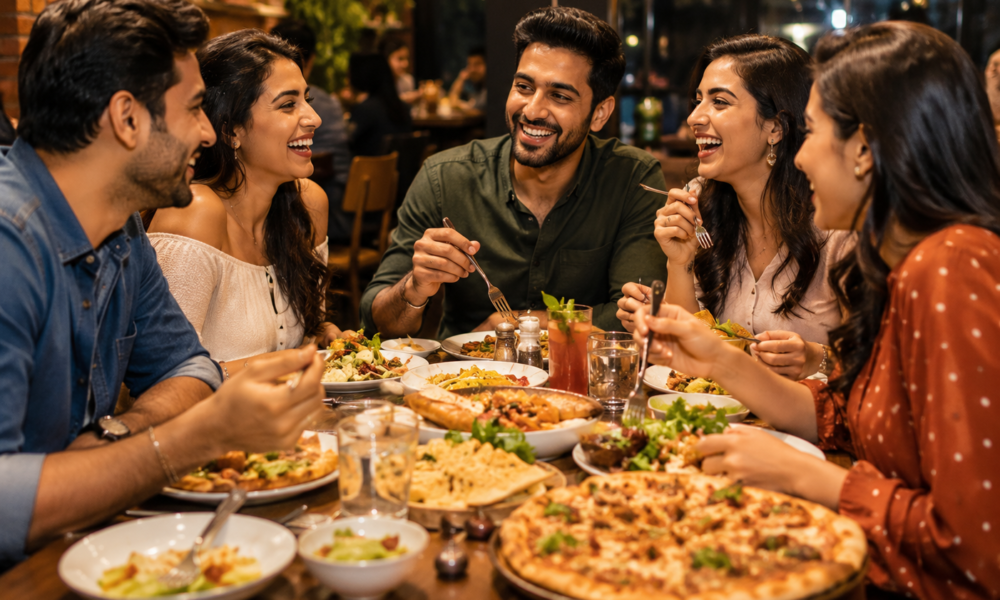
One common theme across cultures is the importance of gathering around the table. Whether it’s a festive dinner, a wedding banquet, or a holiday feast, shared meals strengthen relationships and create lasting memories.
Dining together encourages conversation, laughter, and meaningful connections that extend beyond the meal itself.
Festivals and Food Around the World
Many cultural celebrations feature special dishes prepared only during particular occasions. These meals often symbolize prosperity, happiness, gratitude, or good fortune.
From elaborate family feasts to community gatherings, food becomes a way to honor traditions while bringing people closer together.
The Importance of Hospitality
In many cultures, offering food to guests is considered a sign of respect and generosity. Welcoming friends, family, and visitors with a delicious meal reflects the spirit of hospitality and community.
A shared dining experience often creates a warm and inviting atmosphere where everyone feels valued and connected.
Preserving Traditions Through Recipes
Family recipes are often treasured and passed down from generation to generation. These dishes carry memories, stories, and cultural significance that help preserve traditions over time.
Preparing and sharing these recipes allows families to celebrate their heritage while creating new memories together.
Food as a Bridge Between Cultures
Today, people have more opportunities than ever to explore cuisines from around the world. Food helps individuals learn about different traditions, appreciate diverse cultures, and discover new flavors.
By sharing meals and culinary experiences, communities can build understanding and celebrate cultural diversity.
Conclusion
No matter where we come from, food remains one of the most meaningful ways to celebrate life’s special moments. It brings people together, preserves traditions, and creates unforgettable memories that last for generations.
While cultures may differ, the joy of sharing a meal is a tradition that connects us all.